Analysis
May 4, 2020
Final Thoughts
Written by John Packard
I am back from my “stay-cation.”
Is it just me or is time standing still?


Analysis
May 4, 2020
Written by John Packard
I am back from my “stay-cation.”
Is it just me or is time standing still?

On Monday and Tuesday this week, SMU polled steel buyers on an array of topics, ranging from market prices, demand, and inventories to tariffs, imports, and evolving market events. This week, a few issues jumped out from the responses. Most importantly, very few respondents saw prices coming down. And, related to that, it’s still very hard for market participants to find tons, thus making imports more attractive. We are sharing a selection of the comments we received below, in each buyer’s own words.

SMU’s Steel Demand Index rose two points to 66.5 in mid-November from 64.5 in mid-October. While it remains below a five-year high reached in mid-September, it is up 28 points from a reading of 38.5 a year ago. The result signals broadly improving flat-rolled steel demand, while buyer feedback points to strength in sectors such as data centers and border-wall construction. The index has been in expansion territory since late November 2025. Highly extended lead times, limited spot availability, mill outages, and historically reduced import competition continue to support domestic prices and apparent demand across the supply chain.

Sheet and plate prices continued to march higher on limited availability and no signs of a typical year-end slowdown. Prices have been rising since September 2025, the longest price rally in SMU’s data history – surpassing even the 2020-2021 rally. Buyers said they saw few signs of the rally stopping anytime soon amid late mill deliveries, scarce spot tons, limited contract tons, and strong demand. Availability continues to trump price, buyer sources said. To secure tons from mills, some sources continue to report buying from overseas – even as import lead times stretch into Q2. Others said they were concerned about taking positions that far out and so are buying from depot stocks held by traders – even if it means paying a significant premium.
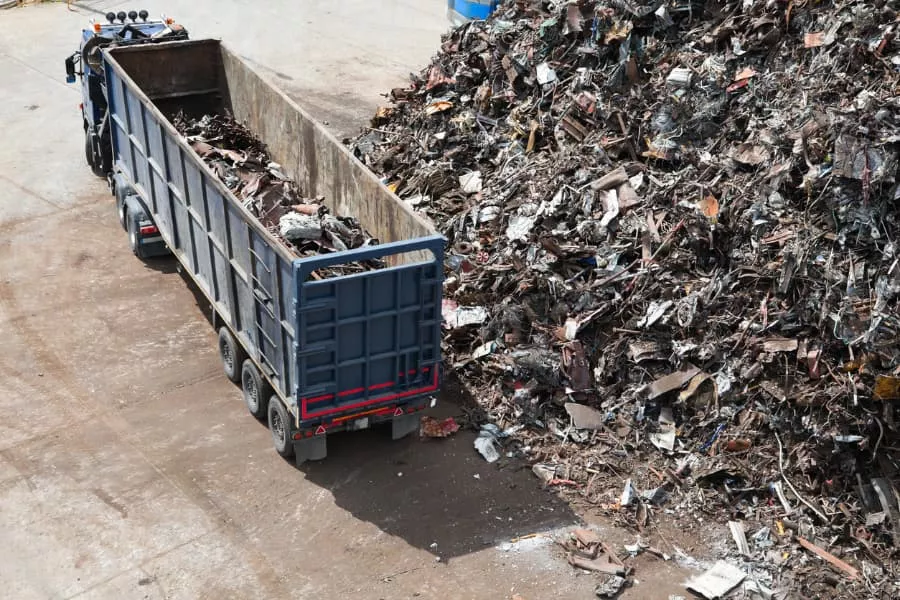
The ferrous markets are all very healthy as we head into the last month of 2026. Demand for scrap is still very strong. On the supply side, the flows of obsolete grades may be reduced as winter weather takes hold. Holiday schedules at major industrial generators will limit the supply of prime grades. Of course, this happens every year at this time, but this year is radically different than the past three. Steel mill order books and prices are much stronger than preceding years.
SMU’s Mill Order Index (MOI) increased further in October, up for a sixth straight month and setting a new top mark. The increase came as service center on-order volumes and new mill order entries extended their record highs, including the post-pandemic snapback in demand, according to SMU’s latest service center inventory data. Results suggest inventories remain uncomfortably lean as service centers try to restock in a market where spot tons are scarce, and contract tons are significantly delayed.